Salud cierra el último brote de sarampión activo en Andalucía
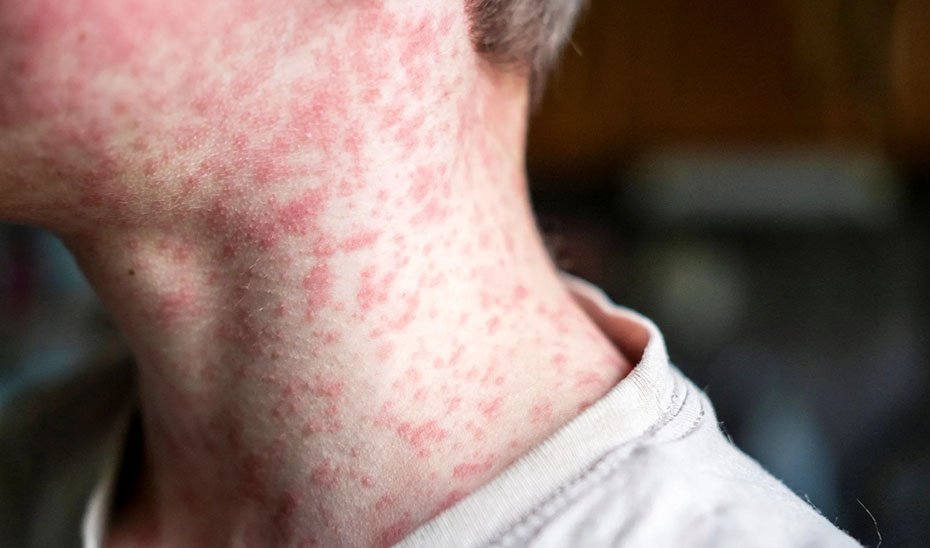
The General Directorate of Public Health and Pharmaceutical Regulation of the Ministry of Health and Consumption of the Andalusian Government has declared the last measles outbreak closed that was active in the community, specifically in the municipality of Torrox in Malaga, with a total of six cases (two within the family and four secondary cases). Since January 1st of this year, 12 outbreaks have been declared and a total of 89 measles cases have been recorded, with the latest being on June 5th.
This number represents 29% of the cases reported in Spain. Across the country, as of last Sunday, 309 confirmed cases of measles have been reported, with 94 being imported, 87 related to an imported case, and 128 of unknown origin. The autonomous communities with the highest number of confirmed cases have been Andalusia, Basque Country with 49 cases (16%); Catalonia with 48 cases (16%); Balearic Islands with 35 cases (11%); and Melilla with 30 cases (10%).
In Andalusia, 22% of the cases have been imported cases, coming from Morocco (17), Belgium (one), Denmark (one), and the United Kingdom (one). Among the non-imported cases, 24 cases are isolated cases where the source of infection is unknown (six cases from the municipality of Malaga, six from Vera, two from Marbella, one from Cuevas de Almanzora, one in Chirivel, one from Vélez-Málaga, one in Torremolinos, one from Álora, one in Casabermeja, one in Calañas, one in Huelva, one in Palos de la Frontera, and one in Granada).
Ten cases have been diagnosed with measles in children under one year old. 34% were under 15 years old and 66% were adults (aged 15 to 70). Only two cases (2%) had a documented vaccination history of one dose, while the rest were either unvaccinated or their vaccination status could not be determined (including cases from Morocco). 28% of the cases required hospitalization.
By provinces, Almería has recorded 17 cases since the beginning of the year (one in Adra, three in El Ejido, one in Níjar, one in Roquetas de Mar, one in Cuevas del Almanzora, one in Chirivel, and nine in Vera); Granada has a total of four cases in the capital; Huelva has 16 cases (one in Calañas, two in Gibraleón, one in Huelva, four in Lucena del Puerto, two in Moguer, three in Palos de la Frontera, one in San Bartolomé de la Torre, and two in San Juan del Puerto); Malaga is the province with the highest number of confirmed cases: 51 in total (one in Álora, one in Casabermeja, ten in Fuengirola, 18 in Malaga capital, two in Marbella, seven in Mijas, one in Nerja, one in Ojén, one in Rincón de la Victoria, one in Torremolinos, two in Vélez-Málaga, and six in Torrox) and finally, one case in Seville capital.
Situation Analysis
Since the last weeks of May, the incidence of confirmed cases has shown a descending trend. In fact, the last confirmed case by rash onset date corresponds to the first week of June. From week 10 (March 3-9), cases have mainly occurred in adults (primarily between 26 and 47 years old). Most cases have been imported from Morocco, related to an imported case, or associated with an outbreak.
Only 28% of the cases required hospitalization, and there have been no deaths. The confirmed active outbreaks have mainly been family outbreaks in adults with a small number of cases, few case generations, and little transmission in the healthcare setting. Since mid-May, no new outbreaks have been declared, and currently, there are no active outbreaks.
Health and Consumption emphasizes, as confirmed by this year’s data, that measles is an infection that is easily transmitted, can be severe, and can affect both unvaccinated children and adults. For this reason, it insists on vaccinating children according to the established guidelines and on vaccinating adults who are not sure of their vaccination status to protect those who cannot be vaccinated. Additionally, it recommends vaccination with the MMR vaccine for individuals traveling to countries with measles outbreaks, aiming to prevent contracting the disease and spreading it upon returning home, as it is the best way to prevent the disease.
Although the current trend is very positive, Public Health recommends remaining vigilant and maintaining all measures outlined in the updated measles surveillance and alert Protocol this year, in anticipation of a possible resurgence of the disease, especially after the summer.