Mejoras en carreteras de Sevilla y Córdoba para proteger al lince ibérico.
The Ministry of Development, Territorial Articulation, and Housing has tendered for almost half a million euros the road safety improvement works to reduce the risk of Iberian lynx roadkills in various sections of the A-431, A-432, and A-455 roads, in the provinces of Córdoba and Seville. The measures will focus mainly on the installation of over 15 kilometers of fencing and alternative crossings, as well as signage to warn of the presence of these felines. The Andalusian Government is launching this contract through the European project LIFE LYNXCONNECT, which aims to ensure genetic connectivity between Iberian lynx populations on the Iberian Peninsula.
The Minister of Development, Territorial Articulation, and Housing, Rocío Díaz, has defended the new actions taken to «protect this endangered species in various sections of Andalusian roads under regional ownership», where an increasing presence of this animal has been detected and where the aim is to reduce the risk of roadkills. These roads are the A-431, between Almodóvar del Río and Posadas, in the province of Córdoba, and the A-432, between Cantillana and El Pedroso, and the A-455, between Lora del Río and Constantina, both in Seville.
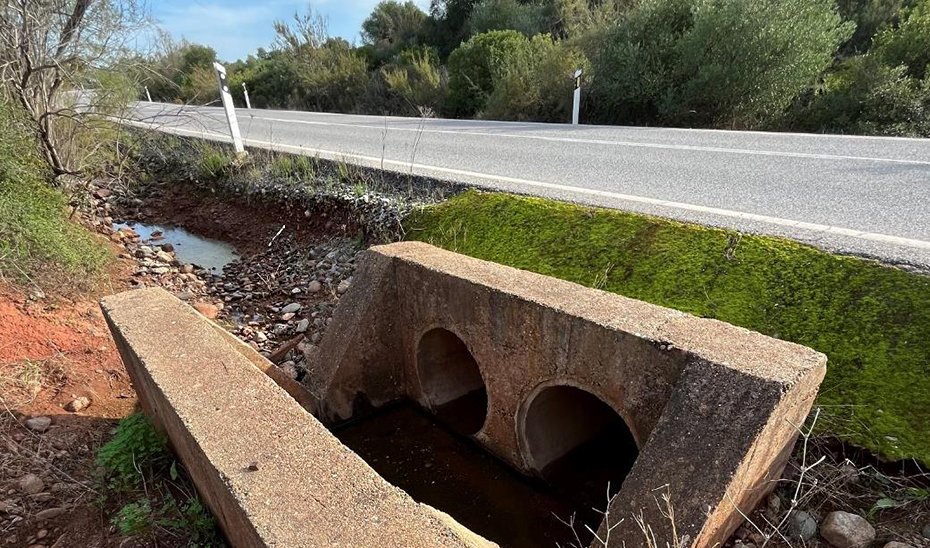
The tendered contract has a duration of six months and includes a range of measures aimed at preventing wildlife access to the road, facilitating their safe crossing, and alerting drivers to the possible presence of these animals. In total, over 15 kilometers of fencing are planned, along with the installation of escape ramps, gates, informational panels, drainage passage improvements (ODT), and the deployment of luminous alert systems and specific vertical signage.
These roads will also have a virtual fencing installed. These elements consist of a series of light and sound emitters that, connected to the road posts, are automatically activated when an animal is near the road at the same time as a speeding car approaches. The purpose of the device is, on one hand, to deter the animal from crossing the road, and on the other hand, to warn the driver of the collision risk. For its operation, the fences use solar energy, making them also an example of sustainable use of natural resources.
In the case of the A-431 section, in Córdoba, 9,700 linear meters of physical fencing and 4,700 meters of virtual fencing will be installed. Additionally, six warning signs, two gates, and two drainage passage cleanings will be carried out to facilitate the safe movement of wildlife.
On the other hand, the A-455, between Lora del Río and Constantina, will have 5,600 meters of fencing, four escape ramps, four gates, and four informational panels. Finally, on the A-432, from Cantillana to El Pedroso, the project includes a 4,000-meter virtual fence, cleaning of five drainage passages, and the installation of four vertical signs along a 5,000-meter stretch.
The base bidding budget amounts to 431,234 euros and is financed by the LIFE program. Companies interested in carrying out these works have until July 4 to submit their bids for this contract.
This project reflects the commitment of the Andalusian Government to the conservation policies of protected species and road safety. Thanks to initiatives like this, the Ministry of Development is managing to develop infrastructure that not only protects the wild fauna of the Andalusian territory but also significantly improves the safety of drivers traveling on these roads.